
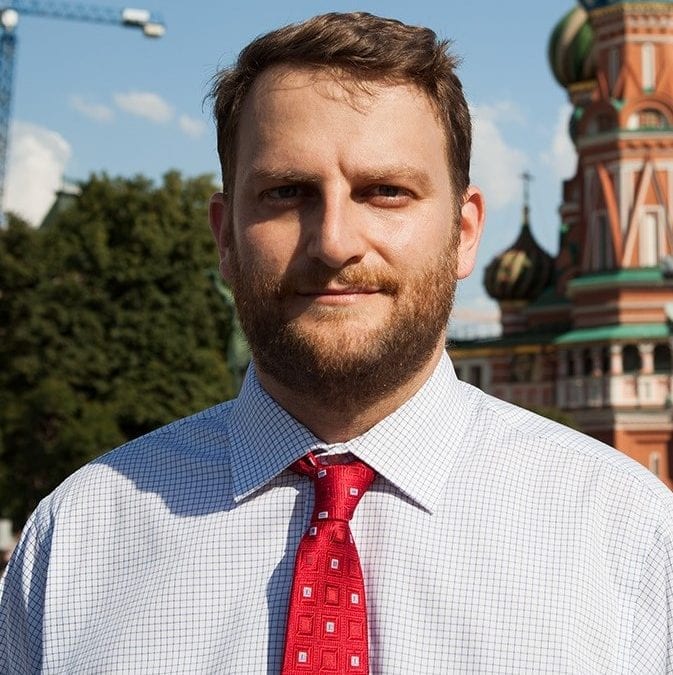
On November 1st, The Wilson Center featured the article Thinking Toward Transition in Tajikistan by Edward Lemon, Ph.D. The Wilson Center is considered “the nation’s key non-partisan policy forum for tackling global issues through independent research and open dialogue to inform actionable ideas for the policy community. At the Wilson Center, preeminent scholars and experts research topics of national and international relevance.”
Dr. Edward Lemon is a recent addition to the DMGS faculty. A DMGS-Kennan Institute Fellow at the Daniel Morgan Graduate School, Dr. Lemon brings with him significant knowledge of authoritarian governance, religion, security, and migration in Eurasia. In this article, he analyzes the various possibilities for transition in Tajikistan as its kleptocratic ruler Emomali Rahmon seeks to keep his family in its lucrative position. Dr. Lemon concludes, “Change does seem to be coming to Tajikistan’s leadership. But even if the leadership changes, do not expect the system to change with it.” Rahmon favors transferring power to one of his nine children, and Lemon explains how Rahmon’s eldest son, Rustam Emomali, and Rustam’s sister, Ozoda, have emerged as potential successors. Lemon writes, “in authoritarian Tajikistan, the population lack a voice in politics and tend to accept the status quo, making it likely that they will accept whatever the ‘Leader of the Nation’ decides.”
Dr. Lemon is a welcome addition to the DMGS community. His expertise adds to the global backdrop of national security issues which helps to better prepare DMGS students to fulfill their ambitions and our mission by “developing solutions to global security challenges.” DMGS provides unique academic training that helps students to understand international security challenges from regions across the globe.
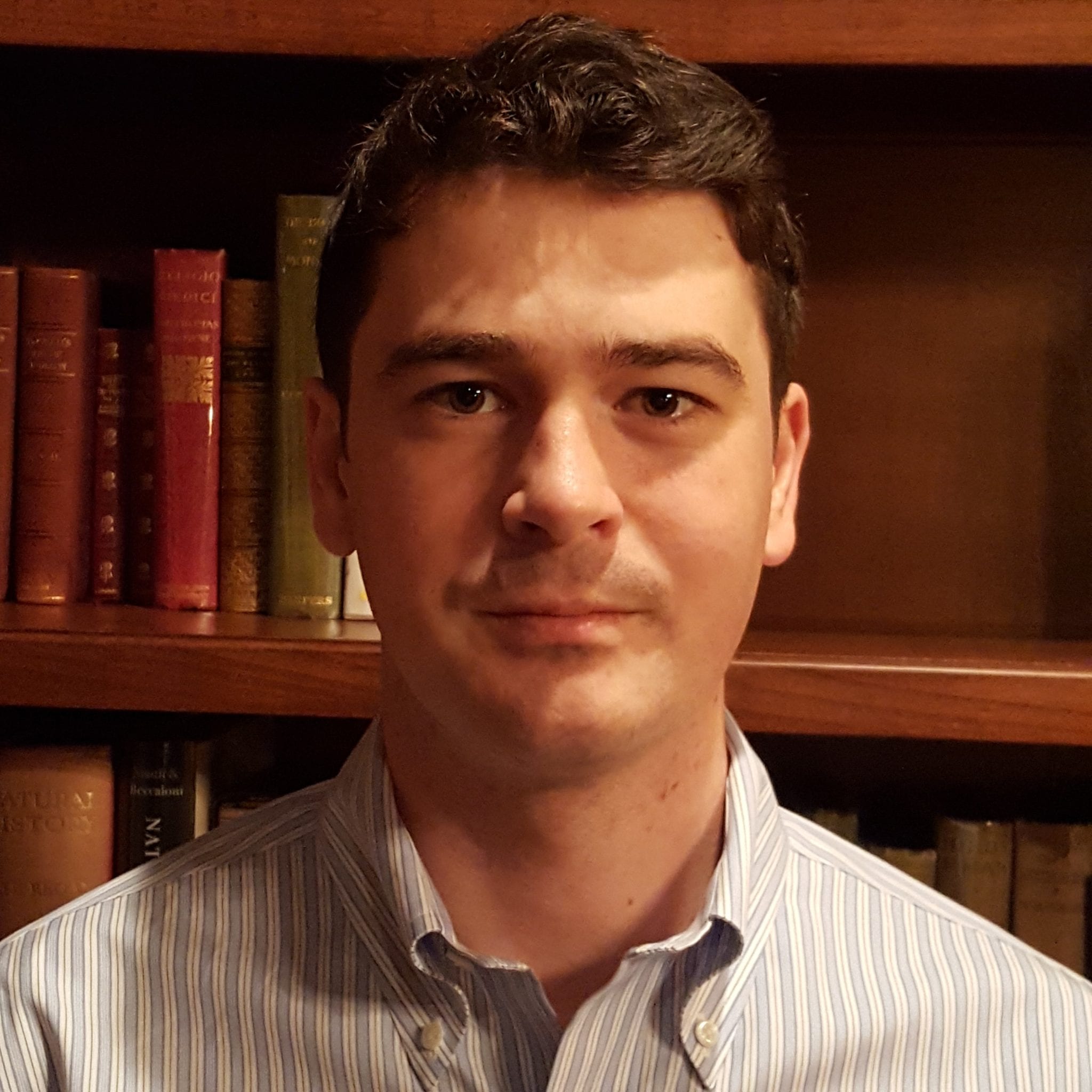
Edward Lemon, Ph.D. is the DMGS-Kennan Institute Fellow at the Daniel Morgan Graduate School.
Between September 2016 and August 2018, Dr. Lemon was a Mellon Postdoctoral Teaching Fellow at the Harriman Institute at Columbia University. He gained his PhD in international studies from the University of Exeter in the United Kingdom in 2016.
