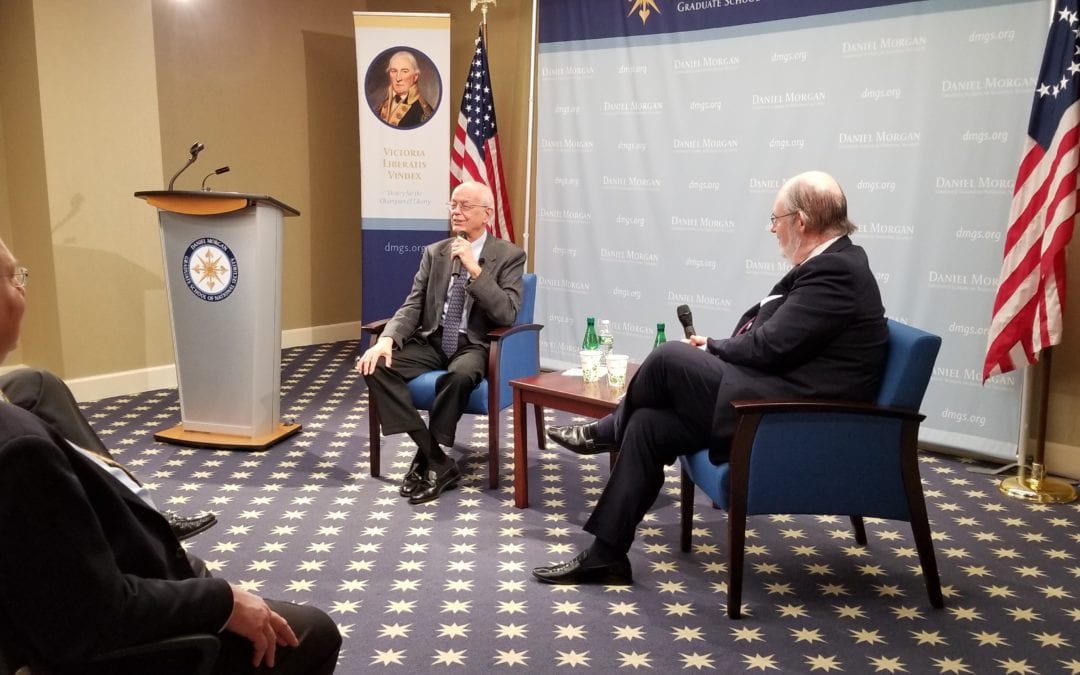
Admiral Bobby R. Inman: Reflections on the Career of Intelligence
“How do you protect your ability to access and to gain access?” Admiral Inman asked.

“How do you protect your ability to access and to gain access?” Admiral Inman asked.
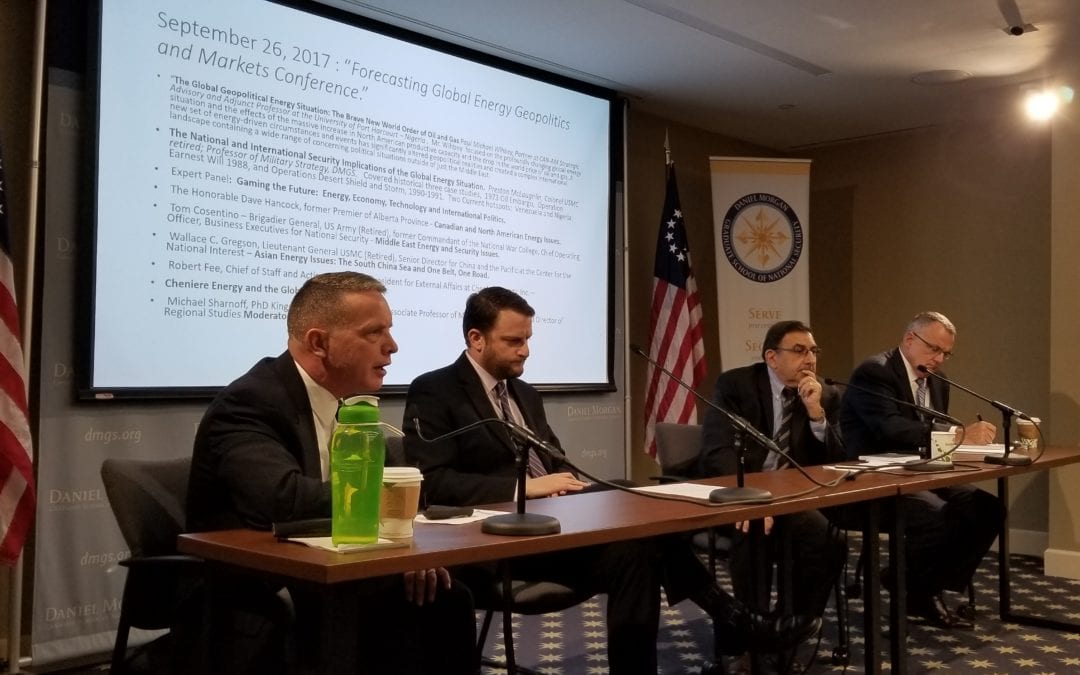
Mr. Wihbey argues, “In December, 2016, you see the Russian strategy to achieve Russian dominance in the Middle Eastern region.”
“They engage in those sorts of activities without being official members of government, and if they’re successful can seek quasi-legitimate advertising contracts to cover disinfo operations. If they’re unsuccessful, they move on. It’s like a start-up culture in a sense.”

“Lebanon’s unique geography and delicate sectarian composition have always made it susceptible to foreign influence. Internal debates over Lebanon’s identity have been longstanding: is Lebanon part of the Sunni Arab Middle East or does it belong in the Iranian-Shiite camp?”
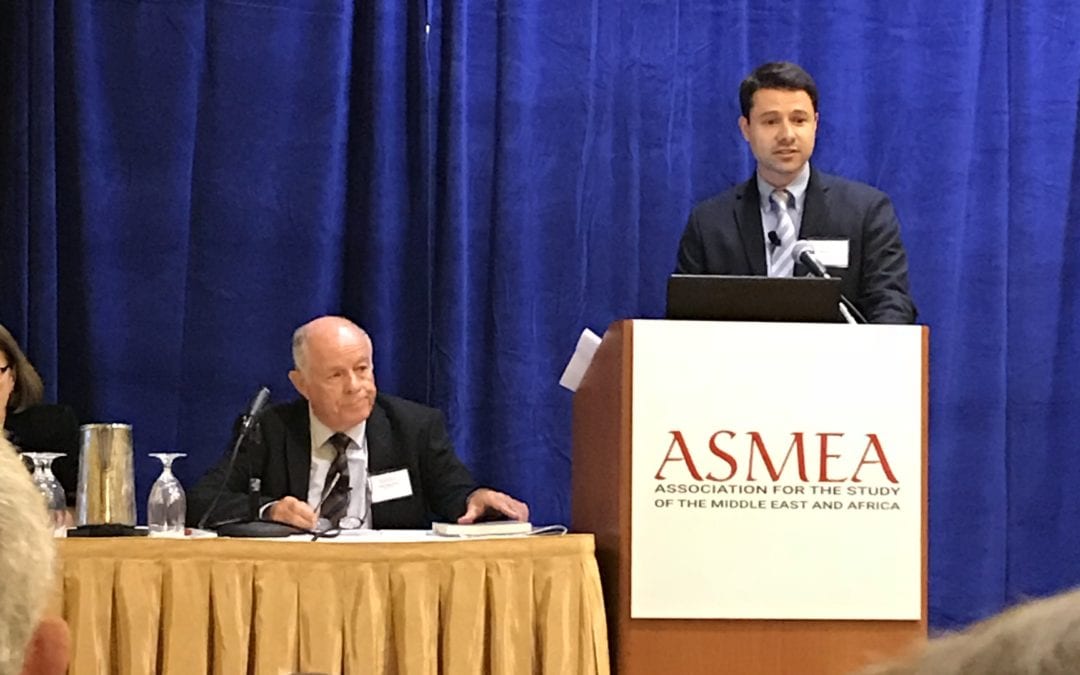
Dr. Michael Sharnoff, Director of the Regional Studies program at Daniel Morgan Graduate School and author of Nasser’s Peace, attended and led a panel discussion at the Association for the Study of the Middle East and Africa’s (ASMEA) 2017 Conference in Rosslyn, Virginia.
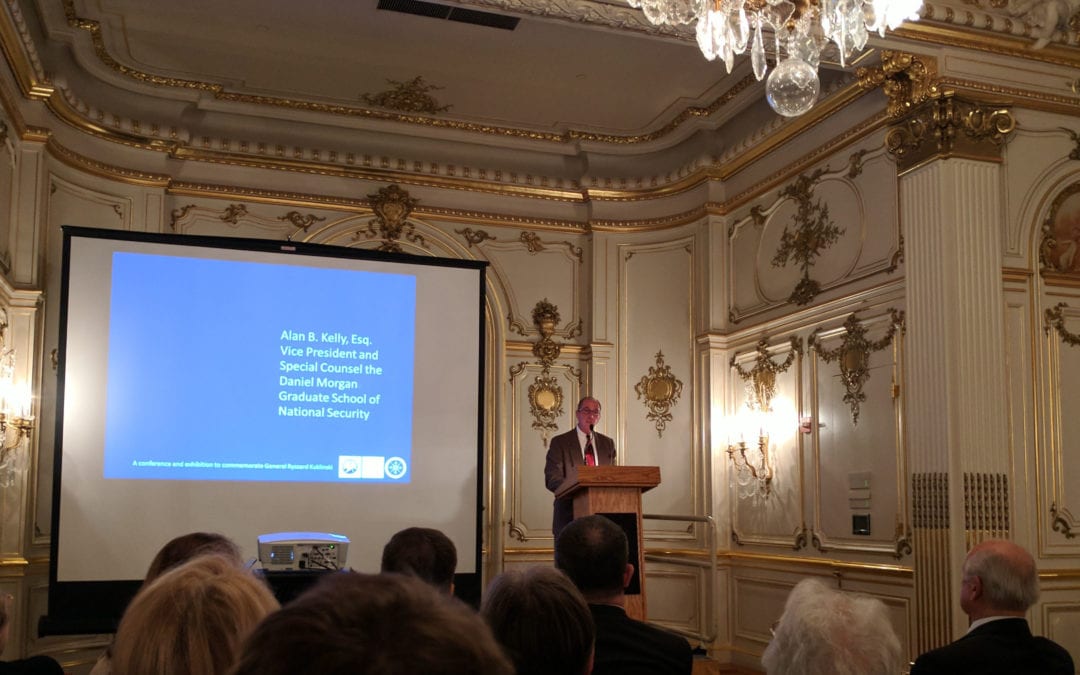
DMGS was proud to co-host an event with the Transatlantic Future Leaders Forum at the Cosmos Club in Washington, D.C. The conference and exhibition was in honor of General Ryszard Kuklinski, a Cold War spy for NATO who passed top secret Warsaw Pact documents to the CIA between 1972 and 1981.
Moyar contends that the success of SOF operations depends chiefly upon local actors already in an environment whether it be allies or opponents of the U.S.

“The Kingdom of Jordan relies on American support to prevent terrorist infiltration from Islamic State and other Salafi-Jihadist threats; alleviate the economic burden strained by a massive influx of Syrian refugees; and achieve a diplomatic solution to the Israeli-Palestinian conflict.”

“China and North Korea were no doubt as surprised as anyone by Donald Trump’s dramatic electoral victory. . . the Trump Administration correctly scuttled ‘strategic patience,’ and the administration now recognizes that we are at a dangerous strategic tipping point, one where the balance of forces is shifting dramatically against the United States.”

“Today, a new and ever developing complex interconnected system of government and private enterprises work to keep us safe in this Long War…touching the realms of land, sea, air, space, cyber, and ideas.”